
 Slot
Slot Tembak Ikan
Tembak Ikan JILI
Tembak Ikan JDB
Tembak Ikan YGR
Tembak Ikan WG
Tembak Ikan PlayStar
 Live Kasino
Kasino EVO
Kasino AE
Kasino Ezugi
Kasino WM
Kasino BBIN
 Blockchain
JILI Permainan Blockchain
T1 Permainan Blockchain
WG Permainan Blockchain
 Poker
PokerCard HB
Card WG
Card JILI
Card KingMidas
Card Spade Gaming
Card PlayStar
Perawatan
 Sports
Esportes SABA
Sports SBO
Sports IM
 Esport
E-Sport SABA
E-Sport IA
E-Sport DB
 Sabung Ayam
Sabung Ayam SV388
 Togel
TogelTogel TCG
Lottery SABA
Togel BBIN
game slot apa itu
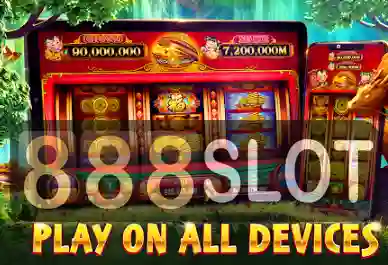
Game slot adalah jenis permainan judi yang dimainkan menggunakan mesin slot, baik di kasino fisik maupun kasino online. Dalam game slot, pemain memasang taruhan dan memutar gulungan (reels) yang memiliki simbol-simbol berbeda. Tujuan utama adalah mencocokkan simbol-simbol tertentu pada garis pembayaran (paylines) untuk memenangkan hadiah.
Mesin slot tradisional memiliki tiga gulungan dengan beberapa simbol yang tercetak di atasnya. Namun, dalam perkembangan teknologi, ada juga slot modern dengan lima gulungan atau bahkan lebih, serta fitur-fitur bonus yang kompleks.
Fitur utama dalam game slot termasuk:
Simbol-simbol: Setiap simbol memiliki nilai dan kombinasi khusus yang menghasilkan pembayaran tertentu ketika cocok di sepanjang garis pembayaran.
Gulungan (Reels): Gulungan adalah bagian dari mesin slot yang berisi simbol-simbol dan berputar saat pemain memutar mesin.
Paylines: Garis pembayaran adalah jalur di mana kombinasi simbol dapat cocok untuk menghasilkan kemenangan. Beberapa game memiliki paylines tetap, sementara yang lain memiliki paylines yang dapat diatur.
Wild dan Scatter: Simbol liar (wild) dapat menggantikan simbol lain untuk membantu mencocokkan kombinasi yang menang, sementara simbol scatter dapat memicu fitur bonus seperti putaran gratis atau permainan bonus.
Fitur Bonus: Banyak game slot memiliki fitur bonus seperti putaran gratis, permainan bonus interaktif, multiplier kemenangan, dan banyak lagi.
RTP (Return to Player): RTP adalah persentase dari total taruhan yang secara statistik diharapkan akan dikembalikan kepada pemain dalam jangka waktu tertentu. Semakin tinggi RTP, semakin besar peluang untuk kemenangan jangka panjang.
Game slot merupakan salah satu bentuk perjudian yang paling populer di dunia, baik di kasino fisik maupun online, karena kesederhanaan aturannya dan potensi kemenangan yang besar. Namun, perlu diingat bahwa hasil dari setiap putaran dalam game slot adalah acak dan tidak dapat diprediksi.
game slot itu seperti apa?
Game slot adalah jenis permainan judi yang dimainkan menggunakan mesin slot, baik di kasino fisik maupun dalam bentuk game online. Berikut adalah beberapa ciri khas dari game slot:
Gulungan (Reels): Mesin slot tradisional memiliki gulungan yang berputar saat pemain menekan tombol atau menarik tuas. Gulungan ini berisi berbagai simbol yang berbeda, dan kombinasi simbol yang muncul setelah putaran dapat menentukan apakah pemain memenangkan hadiah atau tidak.
Paylines (Garis Pembayaran): Paylines adalah jalur-jalur imajiner di mana simbol-simbol harus cocok untuk memenangkan hadiah. Pemain dapat memilih untuk memasang taruhan di berbagai paylines, dan hasilnya akan ditentukan oleh kombinasi simbol di paylines tersebut.
Simbol-simbol: Setiap game slot memiliki sejumlah simbol yang berbeda, yang sering mencerminkan tema dari permainan tersebut. Misalnya, game slot dengan tema buah-buahan mungkin memiliki simbol seperti ceri, anggur, atau semangka, sedangkan game slot dengan tema petualangan mungkin memiliki simbol seperti harta karun, peta, atau arca.
Fitur-fitur Bonus: Banyak game slot menawarkan berbagai fitur bonus yang dapat meningkatkan peluang pemain untuk memenangkan hadiah atau menambahkan elemen interaktif ke permainan. Fitur-fitur ini dapat mencakup putaran bonus, simbol liar (wild symbol), pengganda kemenangan (win multipliers), atau putaran gratis (free spins).
Jackpot: Beberapa game slot menawarkan jackpot, yang merupakan hadiah besar yang dapat dimenangkan oleh pemain jika mereka mencapai kombinasi simbol tertentu atau mencapai kondisi tertentu selama permainan.
Grafis dan Audio yang Menarik: Game slot sering memiliki grafis yang menarik dan efek suara yang mengasyikkan untuk menciptakan pengalaman bermain yang mendalam dan menyenangkan bagi pemain.
RTP (Return to Player): RTP adalah persentase teoretis dari taruhan yang akan kembali kepada pemain dalam jangka panjang. Semakin tinggi RTP sebuah game slot, semakin besar peluang bagi pemain untuk memenangkan hadiah.
Game slot adalah permainan yang sangat populer di kasino online karena sifatnya yang mudah dimainkan, variasi tema yang beragam, dan kesempatan untuk memenangkan hadiah besar dengan taruhan relatif kecil.
 SlotMania adalah destinasi utama bagi para penggemar slot online yang mencari pengalaman bermain yang seru dan menghibur. Dengan koleksi permainan slot terbaru dan terpopuler, serta bonus dan promosi menarik setiap minggunya, SlotMania menjamin kepuasan bagi setiap pemain. Nikmati grafis yang memukau, gameplay yang lancar, dan kesempatan untuk memenangkan hadiah besar hanya di SlotMania. Bergabunglah sekarang dan rasakan sensasi bermain slot online yang belum pernah Anda rasakan sebelumnya!
 Dengan game 888 slot, Anda memiliki kesempatan untuk meraih jackpot besar dan menangkan hadiah fantastis. Nikmati beragam tema permainan yang menarik dan grafis yang memukau. Jadikan setiap putaran Anda menjadi kesempatan untuk memenangkan hadiah besar. Dapatkan pengalaman bermain yang seru dan menghibur dengan game 888 slot. Jangan lewatkan kesempatan untuk menjadi pemenang dan menikmati sensasi kemenangan yang menggembirakan.